E-invoicing: how should you organise your accounting?
From 2026-2027, all French businesses will have to issue and receive their invoices electronically. On Buzug, two setups are possible depending on how you handle your accounting. Here is how each one works, and what Buzug does for you in every case.
Two ways to manage your accounting
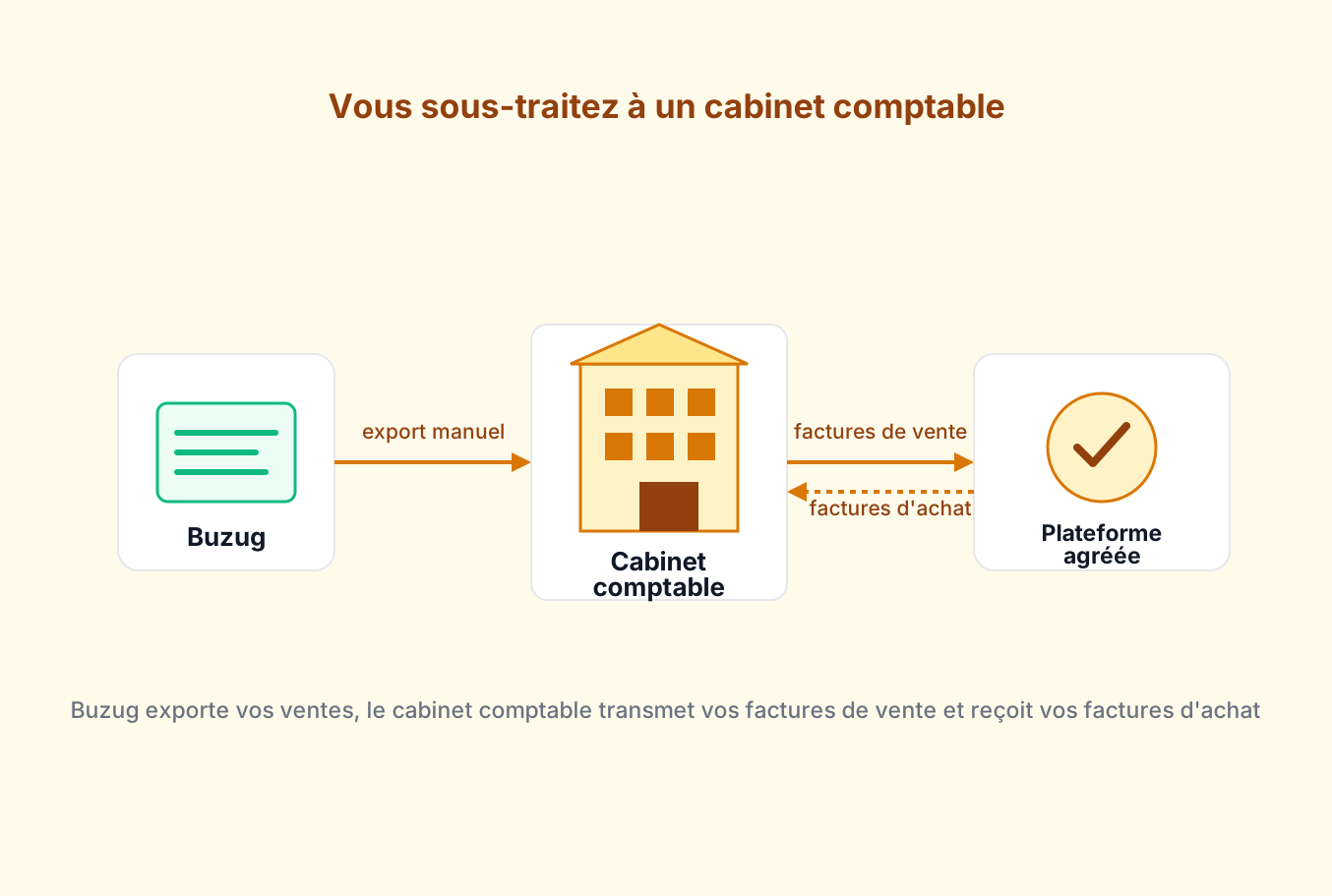
Buzug exports your sales invoices, and your accounting firm takes care of e-invoicing and transmission through its own Approved Platform.
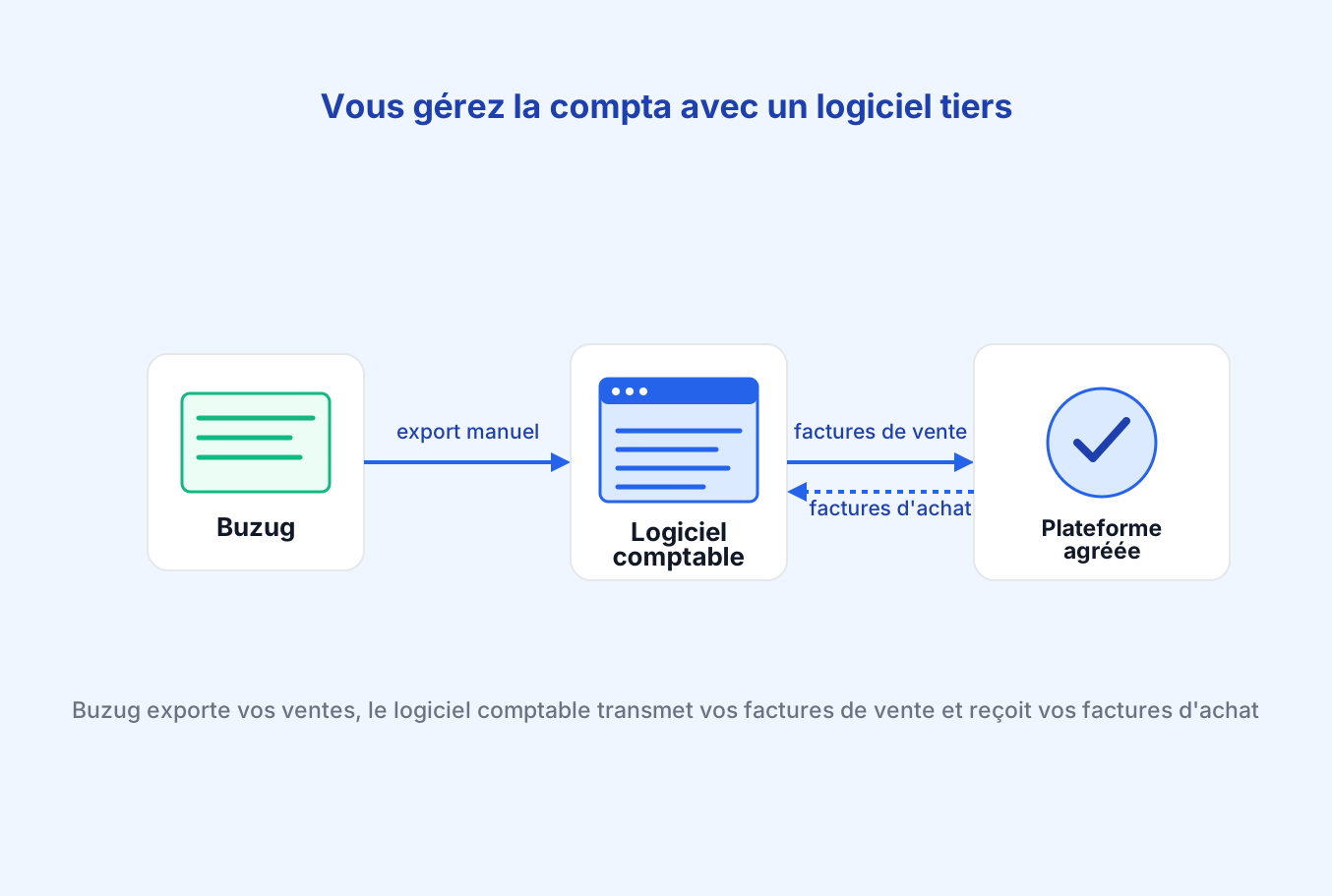
You use an accounting tool (Pennylane, QuickBooks, EBP, Sage...). Buzug exports your sales to that tool, which then takes care of e-invoicing.
You outsource to an accounting firm
This is the simplest setup: you keep working with your accountant as you do today, and Buzug sends them what they need.
- Receiving invoices.
- Your purchase invoices arrive automatically in your accounting firm's software.
- Sales export.
- Buzug exports your invoices in Factur-X format, which you send to your accounting firm.
- Transmission by the firm.
- Your accounting firm imports and transmits the electronic invoices through its own Approved Platform, with no technical work on your end.
- Accounting fees.
- The firm charges its usual fees; e-invoicing may add a small extra cost depending on your contract.
You handle accounting yourself with third-party software
You manage your own accounting, but with a dedicated tool rather than ERPNext. Buzug integrates with your software to avoid double entry.
- Receiving invoices.
- Your purchase invoices arrive automatically in your accounting software.
- Export.
- Buzug exports your invoices in Factur-X format, which you import into your accounting software.
- Full autonomy.
- You manage e-invoicing yourself and its transmission through the Approved Platform built into your software.
- Separate subscription.
- The cost of the accounting software is added to Buzug's; the two tools remain independent.
Summary
| You outsource to an accounting firm | You handle accounting yourself with third-party software | |
|---|---|---|
| Buzug → tool transfer | Manual export | Manual export |
| Who transmits via the Approved Platform? | The accounting firm | The third-party software |
| Costs to expect | Accounting fees | Software subscription |
| Day-to-day autonomy | Low | High |
| Regulatory compliance | Handled by the firm | Handled by the software |